













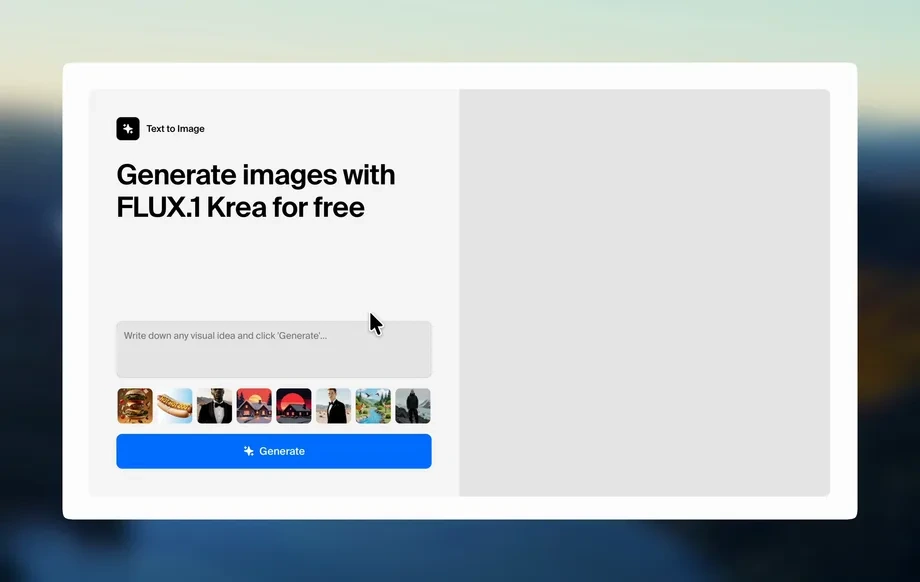
Step 1
Upload
Add your database export, JSON schema, or OpenAPI spec. Choose the dataset or endpoints to inspect, then start the AI analysis with one click.
Use schema-probe to analyze database and API schemas with AI. Detect issues, map fields, and generate docs fast. Try it online for free today.
Run the app to see your first output
How to use schema-probe
This quick guide shows how to run an AI-powered schema probe, validate fields, and generate clean documentation. Follow three simple steps to upload your schema, review findings, and export results for your stack.
Step 1
Add your database export, JSON schema, or OpenAPI spec. Choose the dataset or endpoints to inspect, then start the AI analysis with one click.
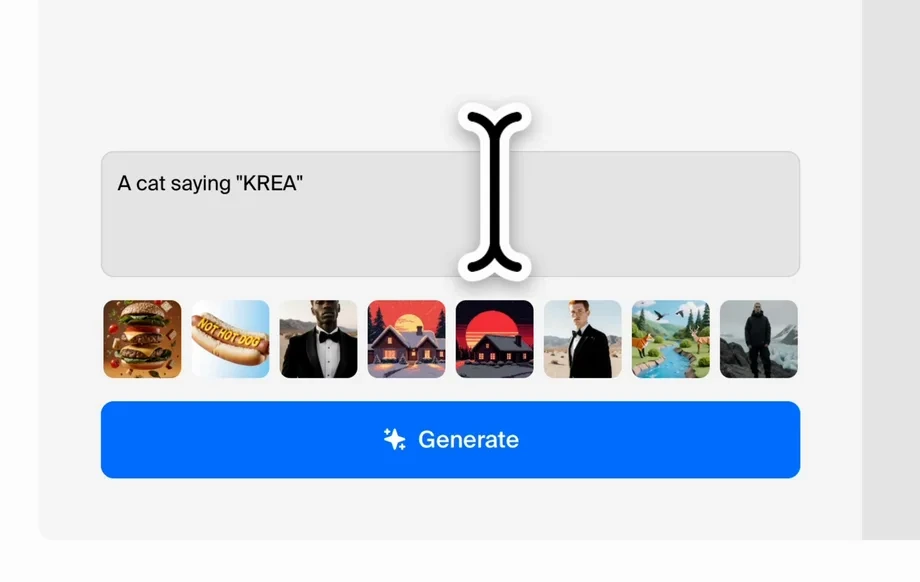
Step 2
Scan detected entities, field types, constraints, and relationships. Flag mismatches, missing required fields, and breaking changes, then apply suggested fixes.

Step 3
Generate documentation, mappings, and validation outputs. Export as JSON Schema or OpenAPI-friendly artifacts to share with teams and integrate into CI checks.
Features
schema-probe uses AI to detect structure, validate rules, and highlight risky changes across database and API schemas. It builds readable field mappings and suggests corrections to reduce integration errors. Export documentation-ready outputs that align with JSON Schema and OpenAPI, and keep data contracts consistent as systems evolve.
Automatically infer entities, fields, types, and relationships from common inputs. Get fast structure discovery and clearer data models without manual reverse-engineering or guesswork.
Spot missing required fields, type mismatches, and breaking changes between versions. Compare snapshots to catch schema drift early and prevent downstream pipeline and API failures.
Generate documentation-ready outputs and contract artifacts in formats teams can use. Export JSON Schema and OpenAPI-aligned results to standardize validations and share consistent definitions.
About
schema-probe is an AI schema analysis tool that inspects database, JSON, and API structures to surface inconsistencies, missing fields, and validation risks. Upload a file or connect a source to generate clear mappings, suggested fixes, and documentation-ready outputs. Speed up schema reviews and keep data contracts reliable with automated checks that fit into everyday workflows.
schema-probe combines AI schema detection with practical validation to surface issues quickly and clearly. It supports exports aligned with JSON Schema and OpenAPI, making results easy to share and integrate. Use it to reduce drift, prevent breaking changes, and keep data contracts dependable.
Upload a schema file or connect a source, then run the probe to generate mappings and validation findings. Review flagged issues, apply suggested fixes, and export documentation or contract artifacts for your workflow.
Use cases
Discover how different creators use this app in their workflow.
Validate OpenAPI specs, detect breaking changes, and keep endpoints consistent. Reduce integration regressions by exporting contract-friendly validation outputs.
Inspect tables, columns, and constraints to find mismatches and missing fields. Compare versions to spot drift before migrations impact analytics or apps.
Turn messy schema inputs into clear mappings and documentation. Share standardized definitions across teams to align pipelines, warehouses, and services.
Krea is one of the world's leading generative AI platforms. See what others say.
Real reviews on TrustpilotSo many AI tools out there but I always come back to Krea. It's really the one AI platform that 'just works'.

FYN
Krea's interfaces are still the best in the industry. Everything looks and feels so clean and easy to use! Imo the easiest to use gen AI website.

Lynn
Ultra fast generations. Extremely simple to use. All the latest AI models.

Daniel
KREA is the only AI subscription I have right now besides ChatGPT.

Sophia M.
Answers to common questions about schema-probe, AI schema analysis, validation, and exports.
schema-probe is an AI schema analysis tool that inspects database, JSON, and API schemas to detect structure, validate constraints, and highlight inconsistencies. It also generates documentation-ready outputs for faster reviews.
You can analyze common schema sources such as JSON Schema, OpenAPI specs, and database exports. The tool extracts fields, types, and relationships, then returns mappings and validation findings.
The AI model infers entities, field types, constraints, and relationships from your input structure. It then flags anomalies and suggests corrections based on learned patterns and schema validation rules.
Yes. Compare two schema snapshots to identify added, removed, or modified fields and constraints. Drift reports help you catch breaking changes before they affect APIs, pipelines, or applications.
schema-probe can export documentation-ready artifacts aligned with JSON Schema and OpenAPI conventions. Use exports to standardize validations, share contracts, and support CI checks across environments.
Yes. It produces clear field mappings across sources, highlighting mismatched names, types, and required fields. This speeds up integrations, ETL design, and data contract alignment.
It helps by identifying incompatible type changes, removed fields, and altered constraints. By validating and comparing schemas early, teams can fix issues before release and avoid regressions.
Most schema probes run in seconds to minutes depending on size and complexity. The tool prioritizes quick structure detection, then provides a readable report with actionable validation findings.
Yes. Export schema artifacts and validation reports to support automated checks. This makes it easier to gate deployments on contract changes and keep schemas consistent across environments.
Analyze, validate, and export reliable schema contracts in minutes—directly from your database, JSON, or API spec.